REGISTER FOR weekly JUNIOR RESHAPERS CLUB
World Artivists Inspiring a Generation
Activists of different tongues and nations, with the same message, inspired by the wasteful society, young artists are re-sculpting the art world and reshaping minds.
Claire Turner
Our heart-rooted, art-and-craft-based workshops are for everyone. They are designed to nurture a deeper connection to holiness, to self, and to community.
We are continually inspired by people around the world who create bold and beautiful things from waste. My own journey began in wedding stationery, where I worked for over 17 years and saw firsthand how prevalent waste was in lavish weddings. While there is beauty in celebration and detail, I began to question the culture of single-use invitations—often adorned with ribbons and unnecessary embellishments chosen for aesthetics alone, and which rarely even posted well.
This led to a shift in my ethos: away from excess, and toward thoughtful design using high-quality paper and print. At the time, this was a bold move, as handcrafted and heavily embellished invitations were the trend. But it felt necessary.
As a provider of goods, my aim with Artcyle is to help people recognise the potential in the materials they already have—giving “rubbish” a second or even third life, and re-imagining waste as something meaningful, beautiful, and sacred. Let's take a look together at other activists applying the same principles.
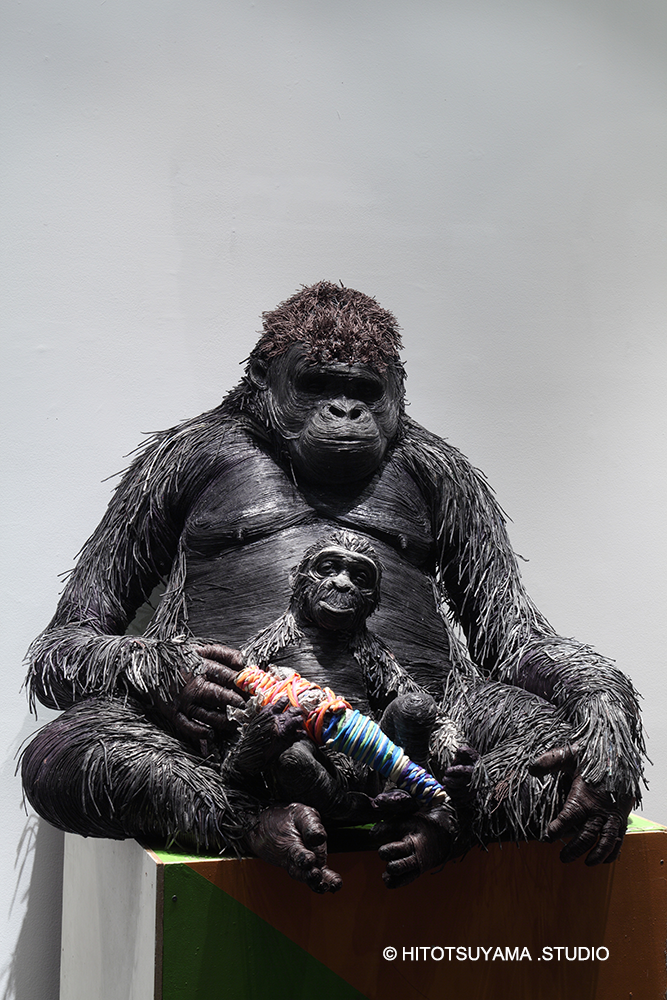
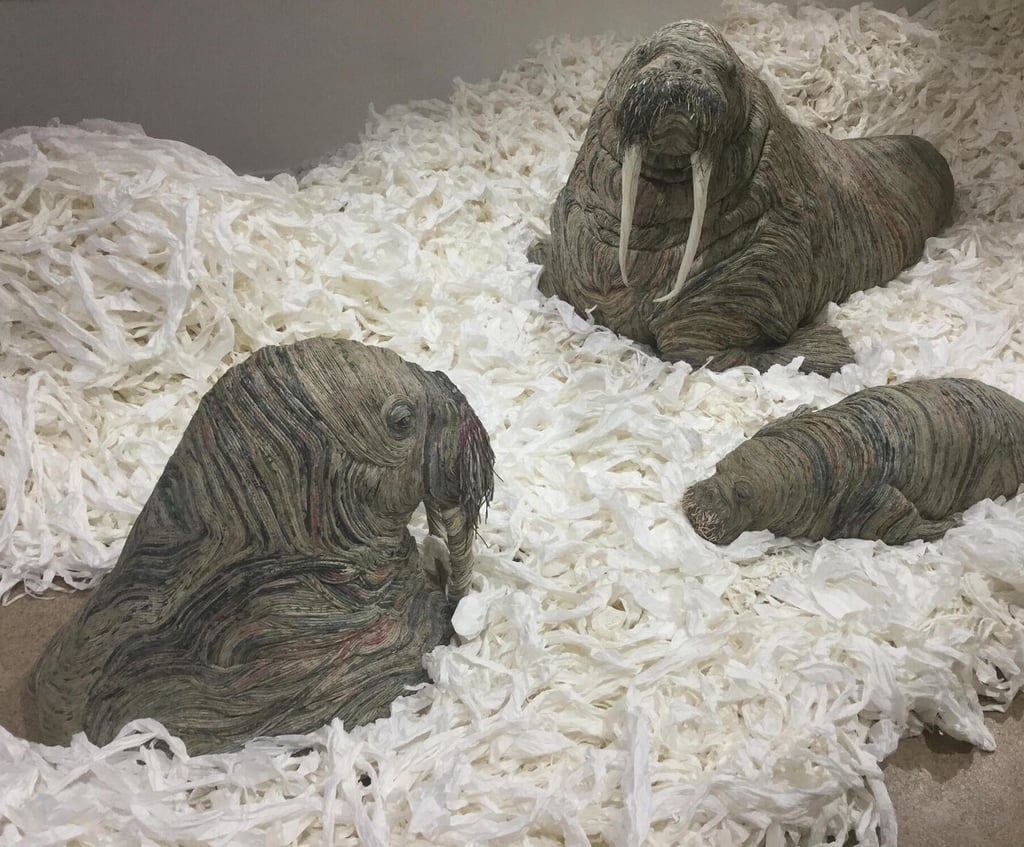
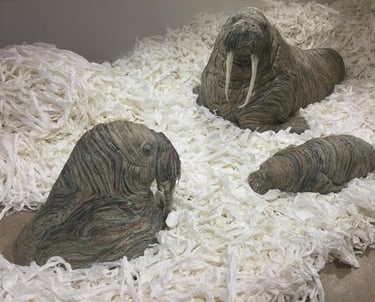
This creative Japanese artist collects discarded daily newspapers to make life-size, lifelike, gorgeous animal sculptures. Her process is very similar to that of papier-mâché (mixing paper pieces with water) to create a mush). Chie selects individual pieces of newspaper based on the colour of the ink on the page which creates the striped effect. Pictured above a gorilla with her baby and below a family of walrus created in 2012.
The next steps are quite messy, as Chie wets each newspaper sheet, rolls it by hand, and then glues the piece it into place. Some larger pieces of Chie’s work can take up to a whooping three months to complete!
Artivist: Chie Hitotsuyama
hitotsuyamastudio.com
Card and Paper
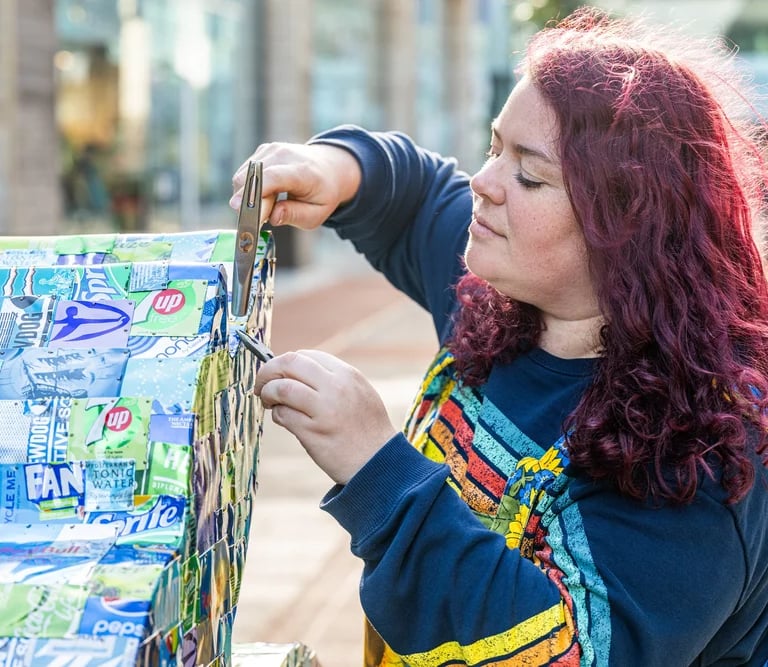
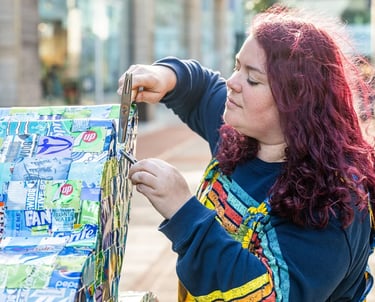
Nottingham based artist, Sarah thrives on the challenge of creating something beautiful from waste materials. The materials are so completely transformed you can’t tell what the pieces have been made from. Sarah uses her skills combined with discarded materials to remake unique designs.
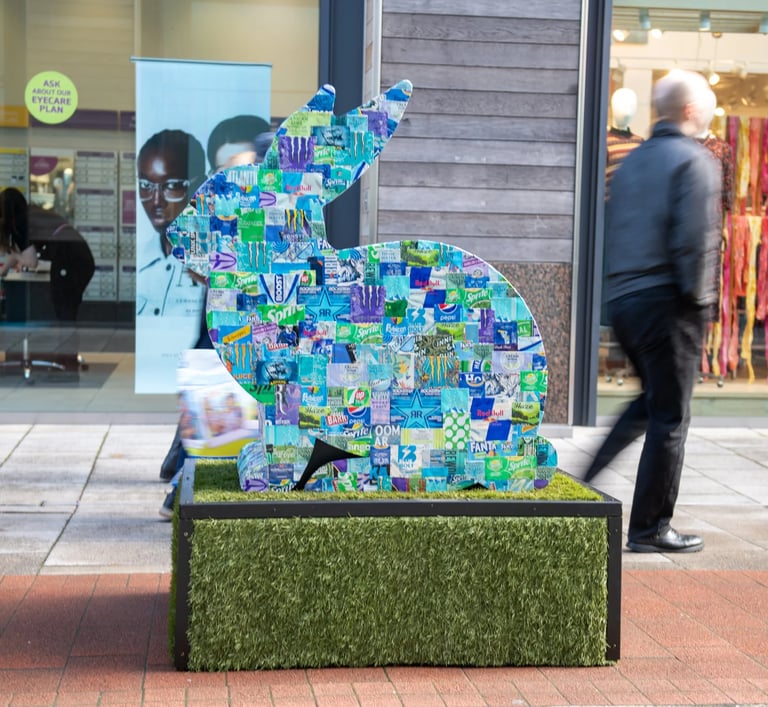
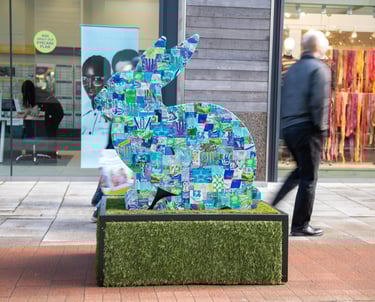
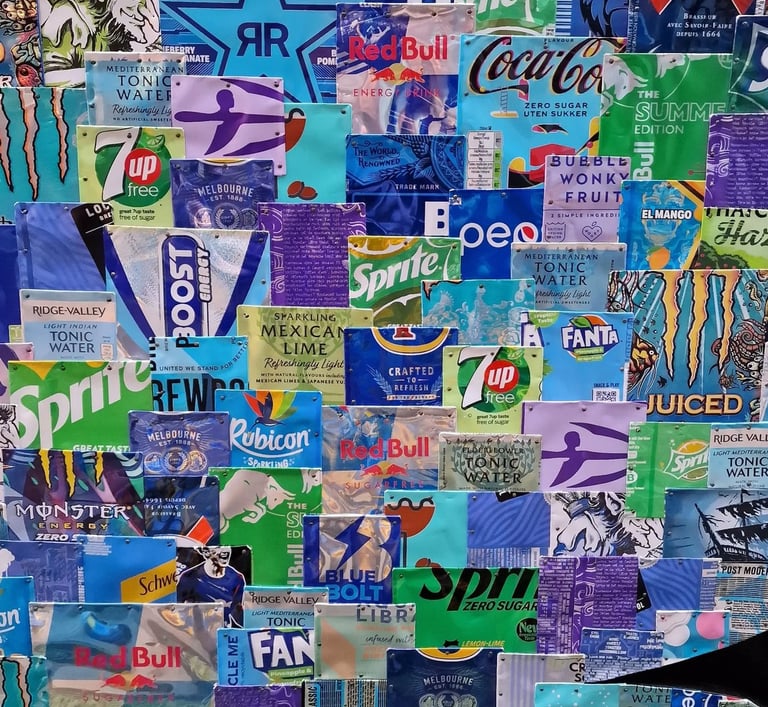
The Can Rabbit (pictured below) a inspired by the traditional gift for a 10th anniversary of tin, the sculpture is made from waste drinks cans. Reclaimed wood and AstroTurf were also used to create the rabbit’s structure. The tin tiled sculpture is an eye-catching piece on display at Whiteley Shopping Centre in Fareham.
Artivist: Sarah Turner
sarahturner.co.uk
Mixed Metals
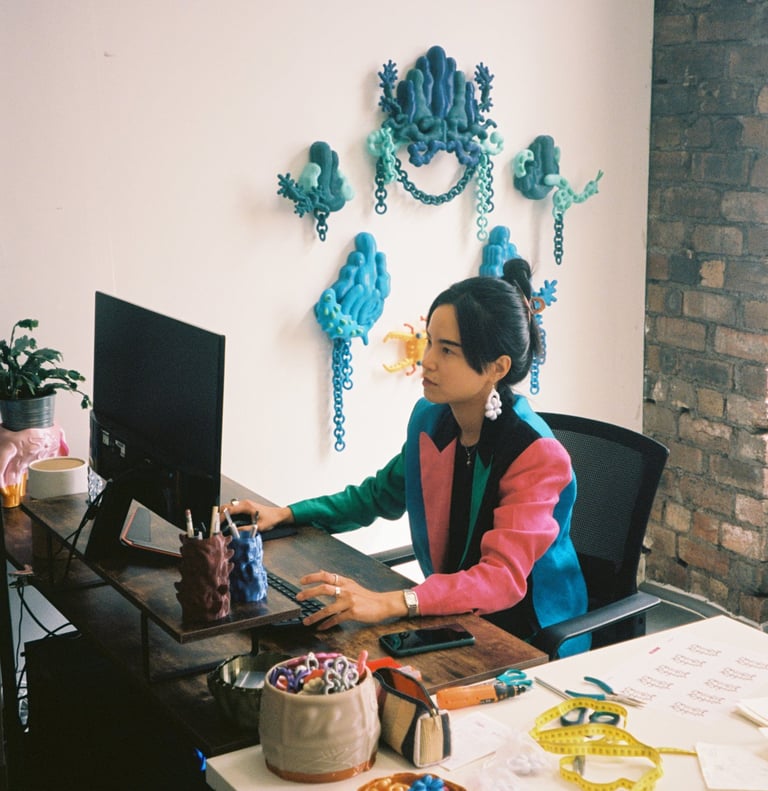
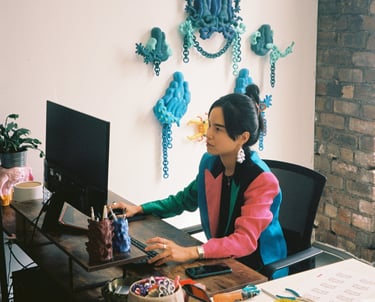
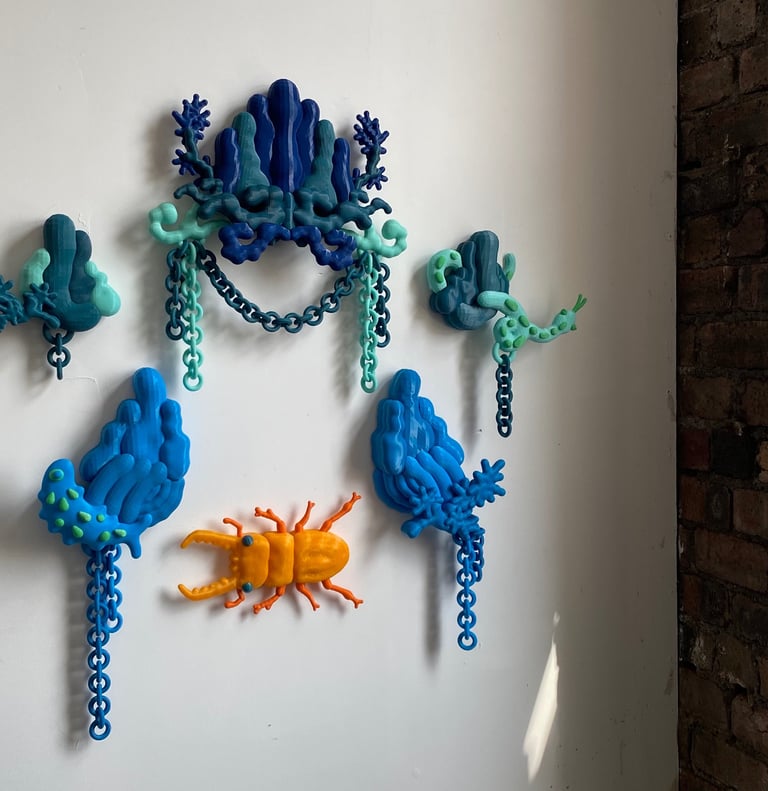
Soorin’s artistic practice opposes the cold and sharp edged-digital stereotype, her products embrace a curvy, voluptuous and wonky body. Soorin explores the ambiguous border between the digital and the physical worlds, interrogating the relationship between technology and nature.
Soorin’s eco-feminist motivation, uses recycled plastic materials for her work, aiming a creative practice toward true sustainability. Products and artworks are made of plant-based bio plastics and/or recycled plastics using a 3D printed product process.
Artivist: Soorin Shin
wobblydigital.com
Hard Plastic
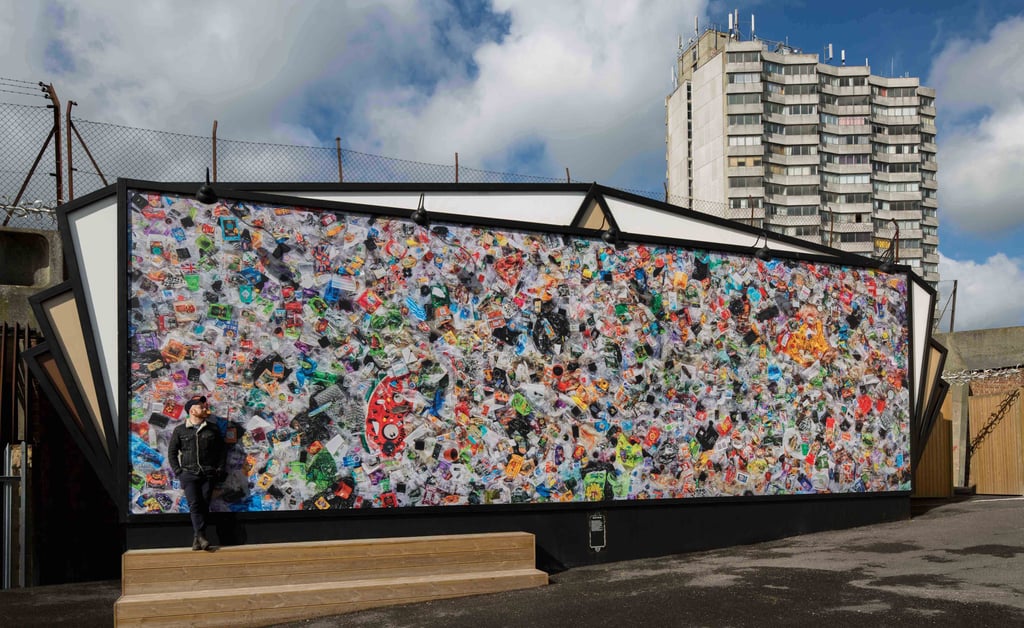
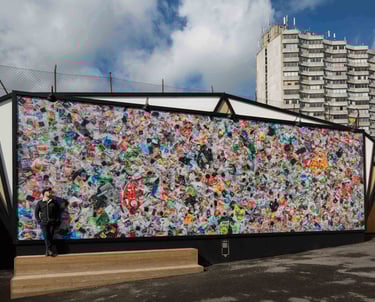
An evidence-led social enterprise delivering accessible learning and campaigns that tackle the effects of the plastic problem that are felt across our society. Daniel created a thought-provoking mural from every single piece of plastic he used in one year.
He began collecting plastic waste on 1 January, 2017, from bottle caps and chocolate wrappers to straws and toothbrushes. This resulted in 22 full bin bags of plastic rubbish. The mural really hits the point of how waste, considering there are currently 66.5 million people in the UK.
Artivist: Daniel Webb
everydayplastic.org
Soft Plastic
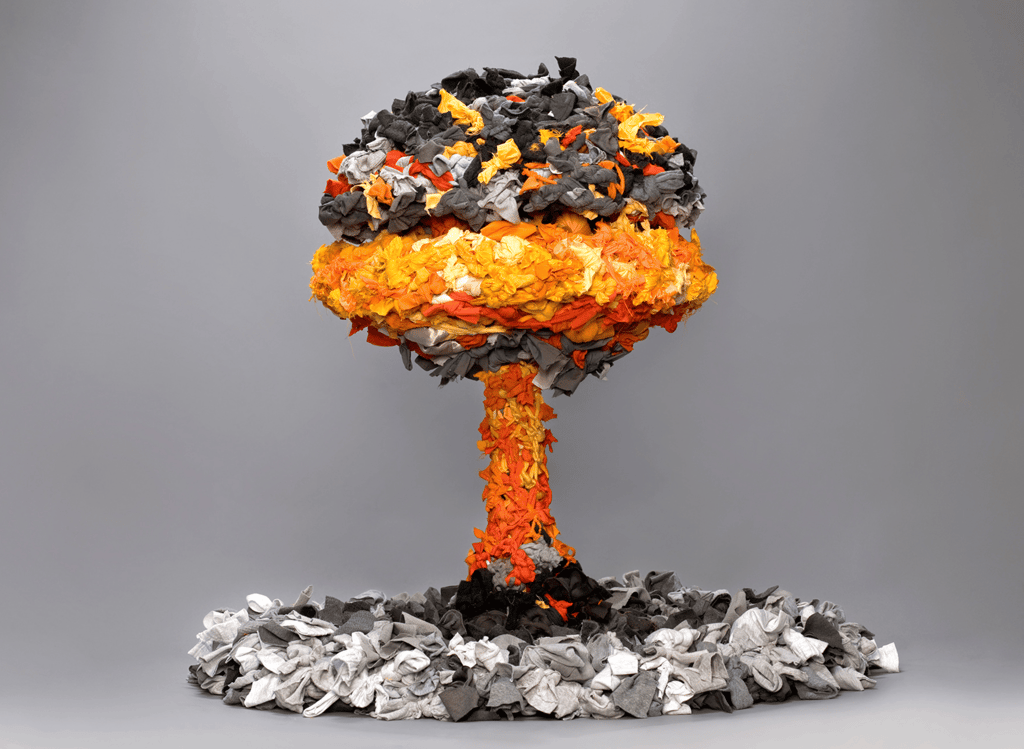
The work of Cuban born Guerra de la Paz addresses consumer excess and the burdens that the textile industry is placing on future generations. How can we build a sustainable textile industry? Our decisions must contemplate the full life cycle of the garments and other textiles we use.
The process begins and ends with consumers, who possess the power to moderate consumption, select environmentally-responsible brands, extend the life of their clothes and donate. If you are inspired by their work, you can take action in your own life.
Artivist: Guerra de la Paz
guerradelapaz.com
Textiles
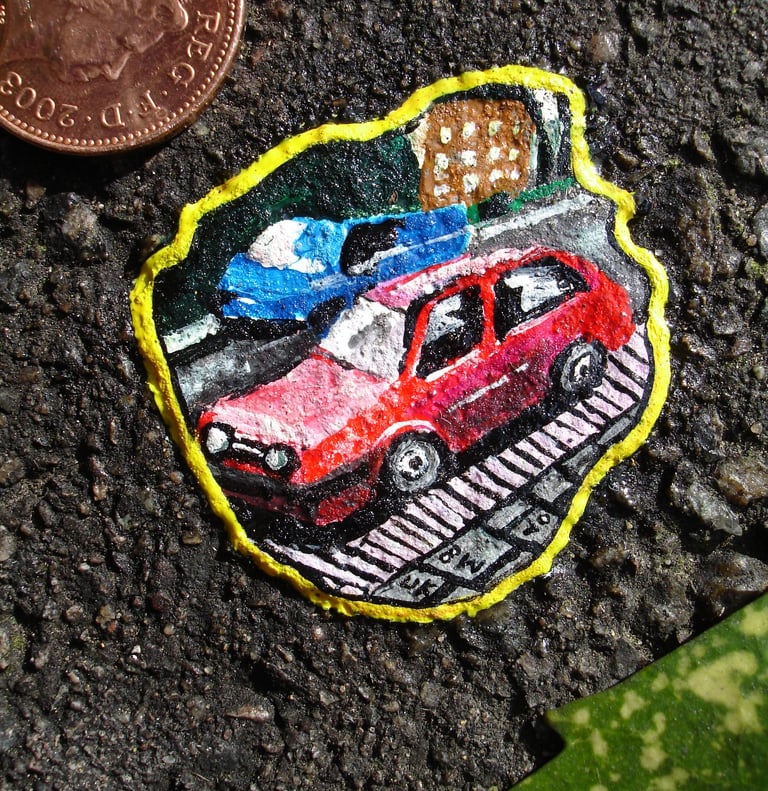
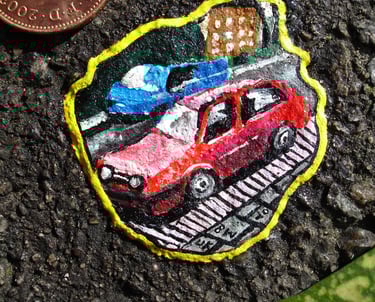
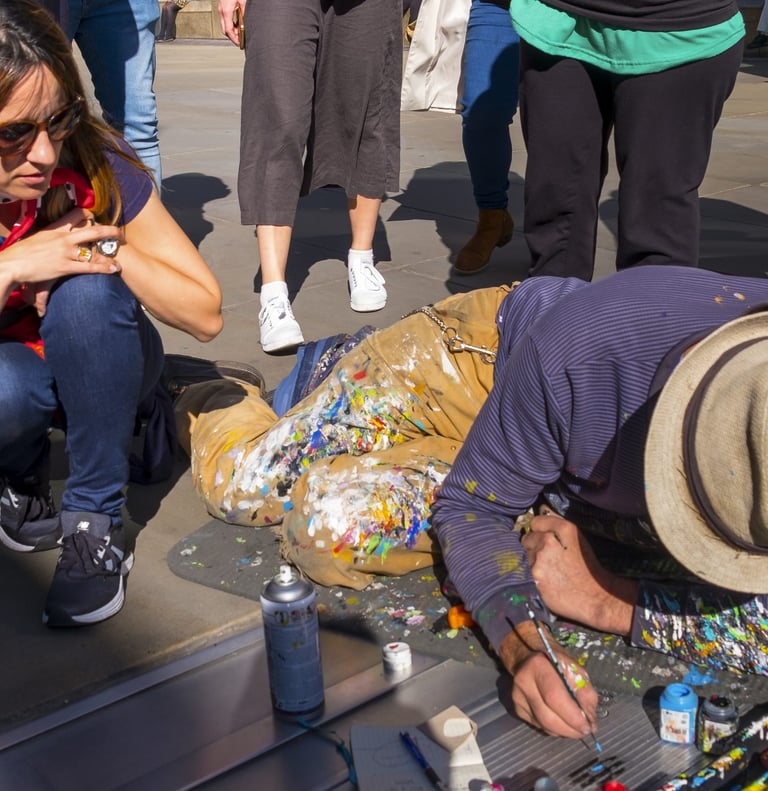
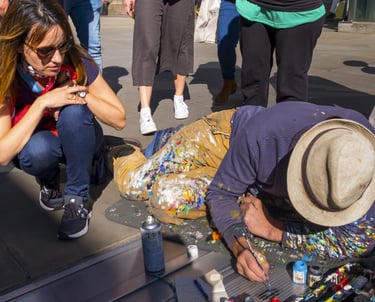
In 2003 Ben began experimenting with painting on discarded gum. From October 2004, chewing gum art became his principal focus as he started working on a vast sequence of pictures where a splodge of gum on the pavement becomes the canvas for his work.
A conscious, emotional and political decision, Ben challenges consumerism’s adverse impact on people and the environment. He began his intricate artworks in Barnet High Street in London and his most celebrated gum trail crosses the Millennium Bridge from the St Paul’s side and into Tate Modern. A true gum-artivist!
Artivist: Ben Wilson
benwilsonchewinggumman.com